
Detailing for MCAS runs three programs, each aimed at a gap current healthcare does not fill: funding the research, shortening the diagnosis, and reaching the patient who is already in treatment.
Youth volunteers wash and detail cars in their own neighborhoods and turn a weekend of work into funding for Mast Cell Activation Syndrome research. Every event is run by young people, and every dollar raised goes to patients and to the scientists looking for answers.
The first one was exactly this: one high schooler, a detailing kit, and a driveway in Illinois. That is still the whole model. It has just happened in more than twenty countries since.
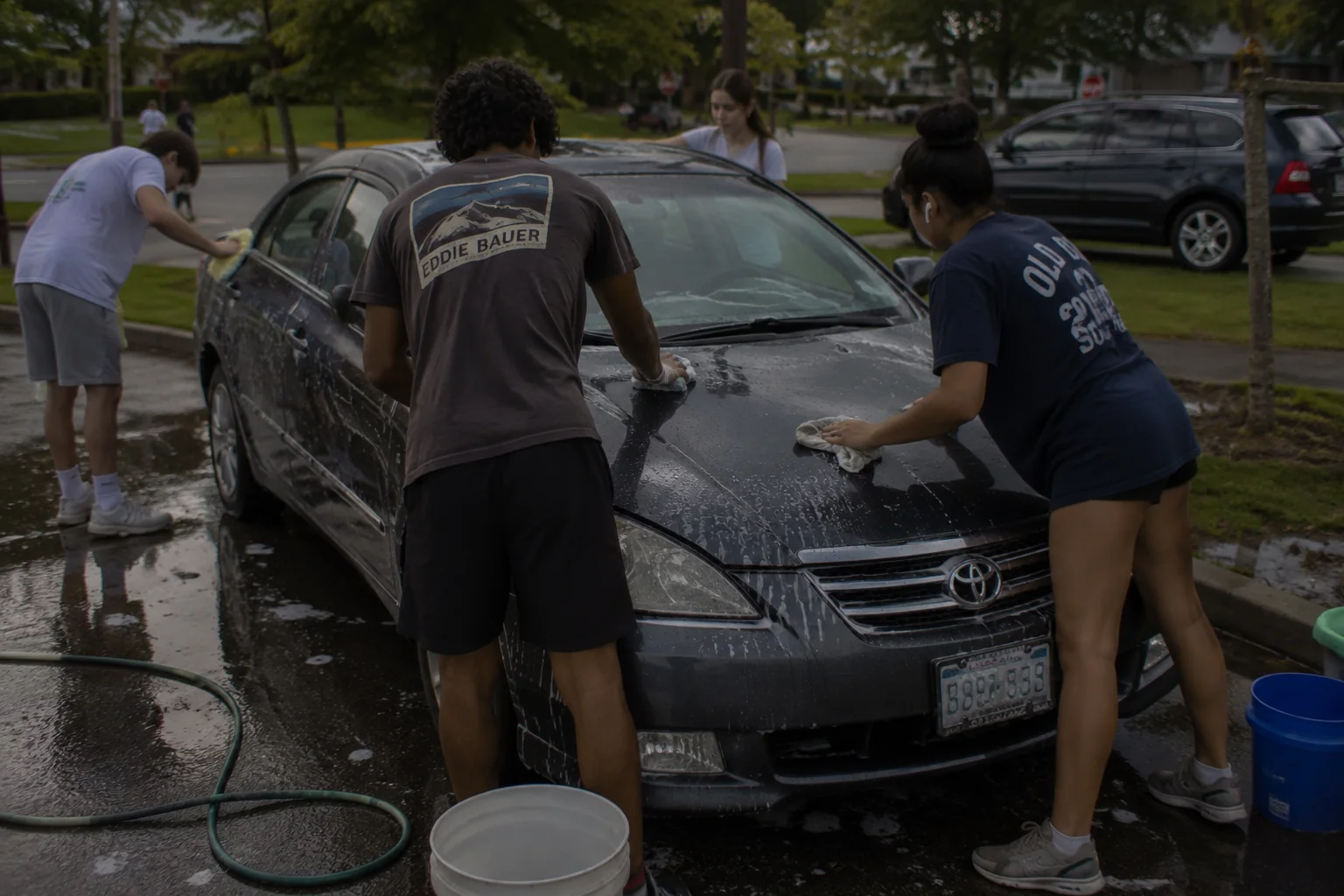
A flat space, a hose, soap, buckets and microfiber, and enough hands to keep three or four cars moving at once. There is no equipment to buy and no minimum age. Most events run four to six hours on a Saturday, and chapters tell their neighbors about a week ahead.
Pricing is set by the chapter and usually lands between fifteen and thirty dollars a car, which is why a single driveway can clear a few hundred dollars in an afternoon. The sign explaining what the money is for tends to do more work than any of the rest of it. Afterwards the chapter reports its total, and the funds go to MCAS research and patient support.
If you want to run one where you live, you can start a chapter.
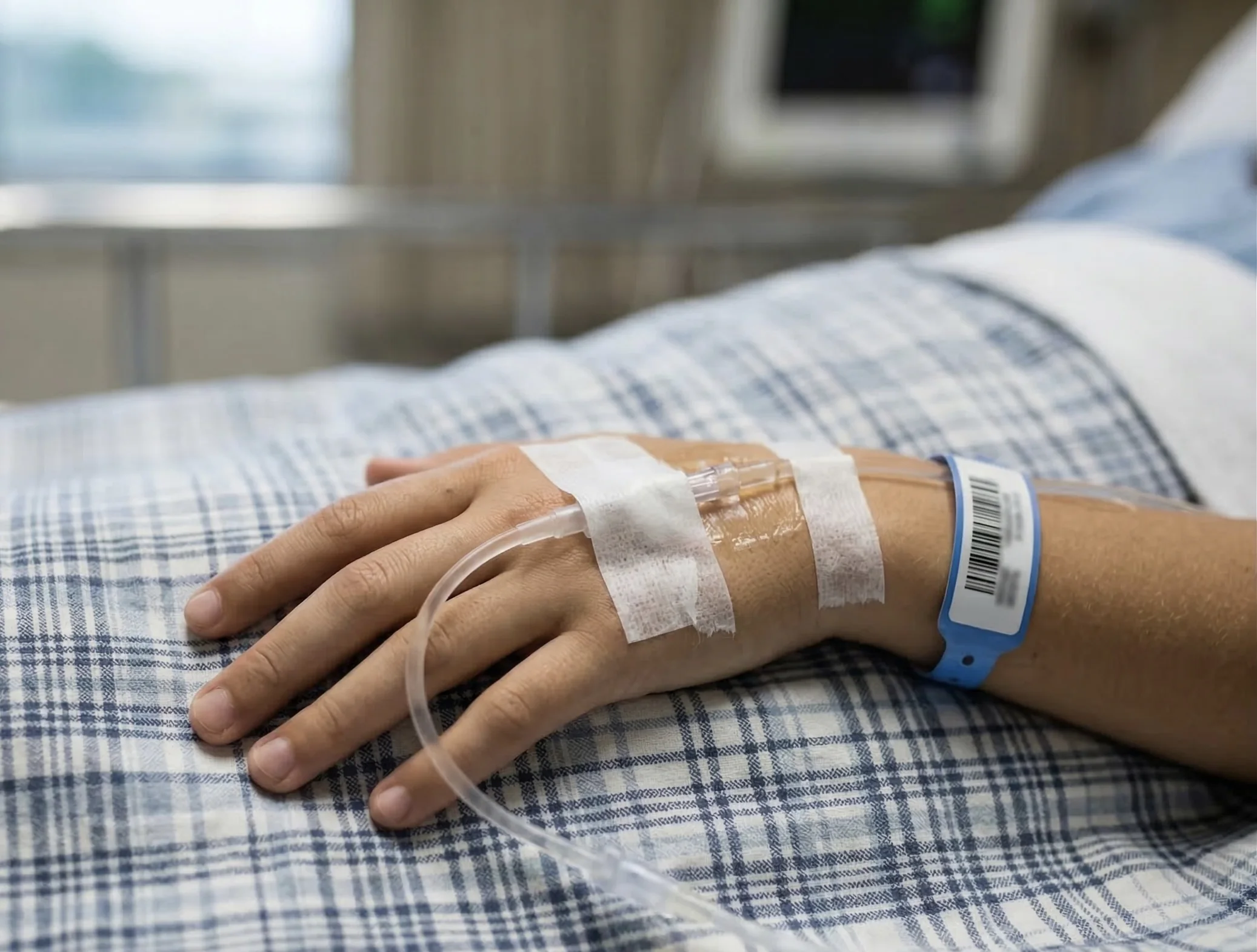
Every dollar raised goes toward MCAS research, awareness campaigns, and the specialist networks that shorten a diagnosis which can otherwise take a decade. It is funded by students, for patients who are still waiting.
MCAS may affect as much as 17% of the global population, and the average wait for a correct diagnosis is seven to ten years.The Mast Cell Disease Society (TMS)
The delay is not usually one missed test. MCAS crosses specialty boundaries — gastroenterology, dermatology, cardiology, allergy — so a patient is routed to a series of doctors who each examine one region of a systemic problem. It is years of being looked at in pieces.
Research funding, awareness work, and the referral networks that get a patient to someone who has seen MCAS before. Partnerships with institutions including Mayo Clinic and Cleveland Clinic put that work alongside clinicians who treat the condition. The year is set out in full, including what was spent and what came of it, in the 2025 Qualitative Impact Report.
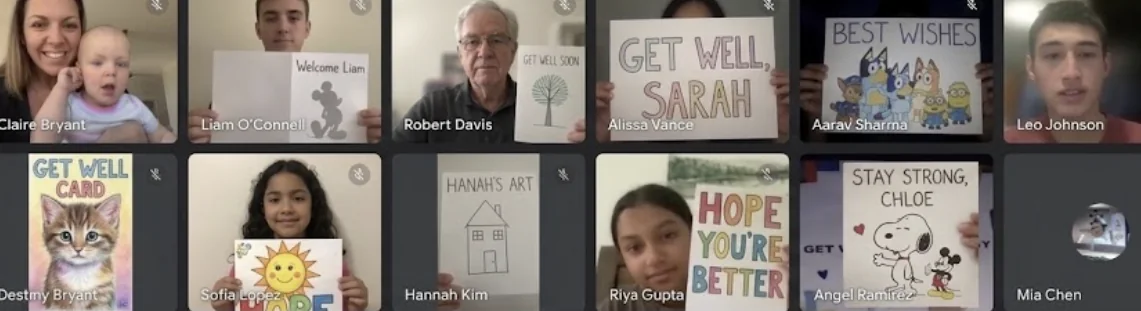
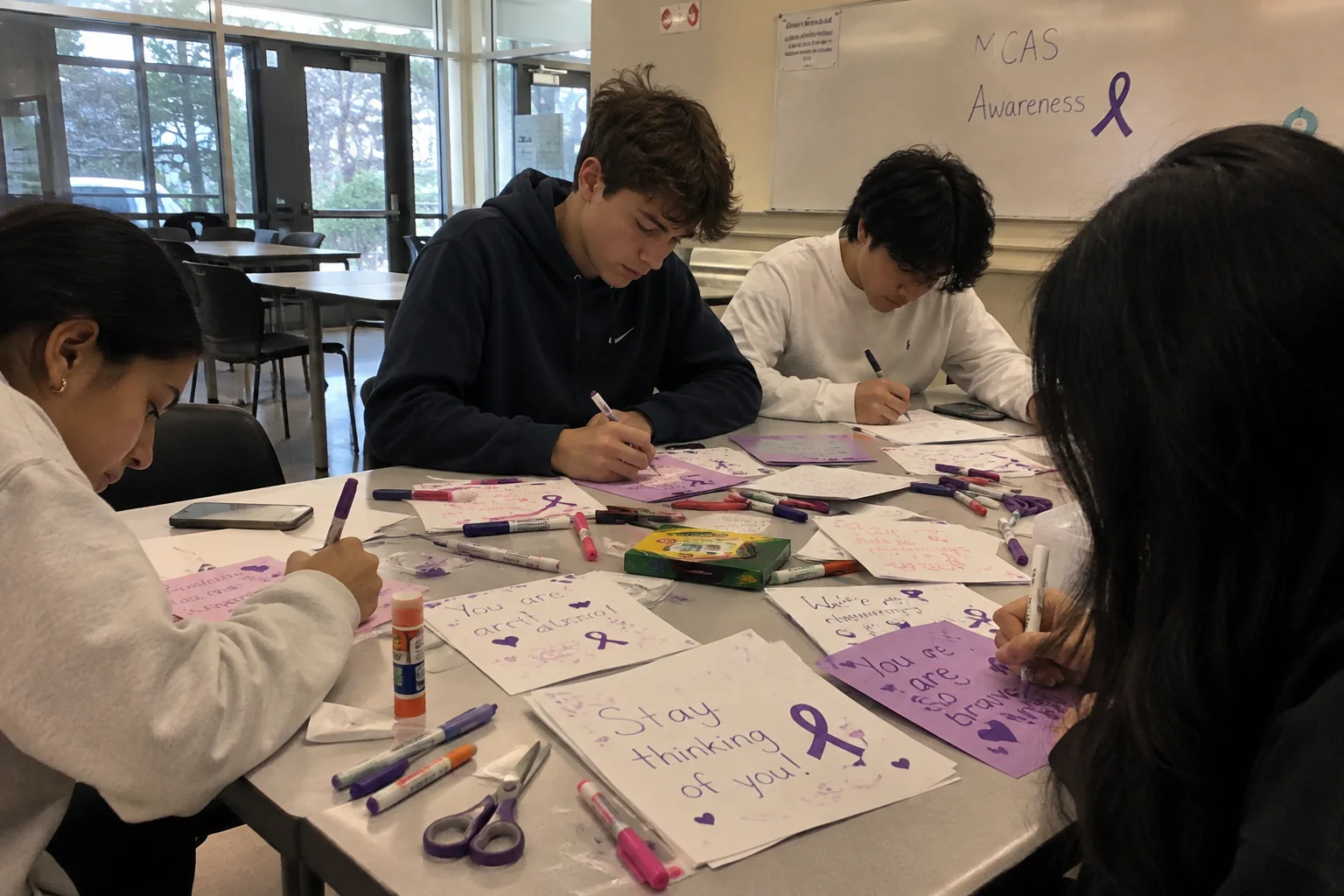
Volunteers write and illustrate cards for patients in treatment, then meet them in virtual sessions built around whatever the patient actually likes. Every card and every call is student-made.
Volunteers are given a first name and a few interests before they start — a cat, a football team, a favourite cartoon — and nothing clinical. That is deliberate. A patient in a long treatment cycle is addressed by their diagnosis all day; the card is the one thing that arrives for the person instead.
Every card is drawn and written by hand, never printed, so each one carries a real person’s handwriting. Finished cards are hand-delivered to partner hospitals or mailed to families, reaching patients during treatment.
The program also brings the world into the hospital room. Detailing for MCAS has partnered with zoos and aquariums, local businesses and community organizations, and content creators to host sessions patients could not otherwise attend — a keeper walking a camera past an enclosure, a baking demonstration a patient can follow from a hospital bed.
Virtual events are available on request. Read the guidelines for eligibility, then write to Detailingformcas@gmail.com.
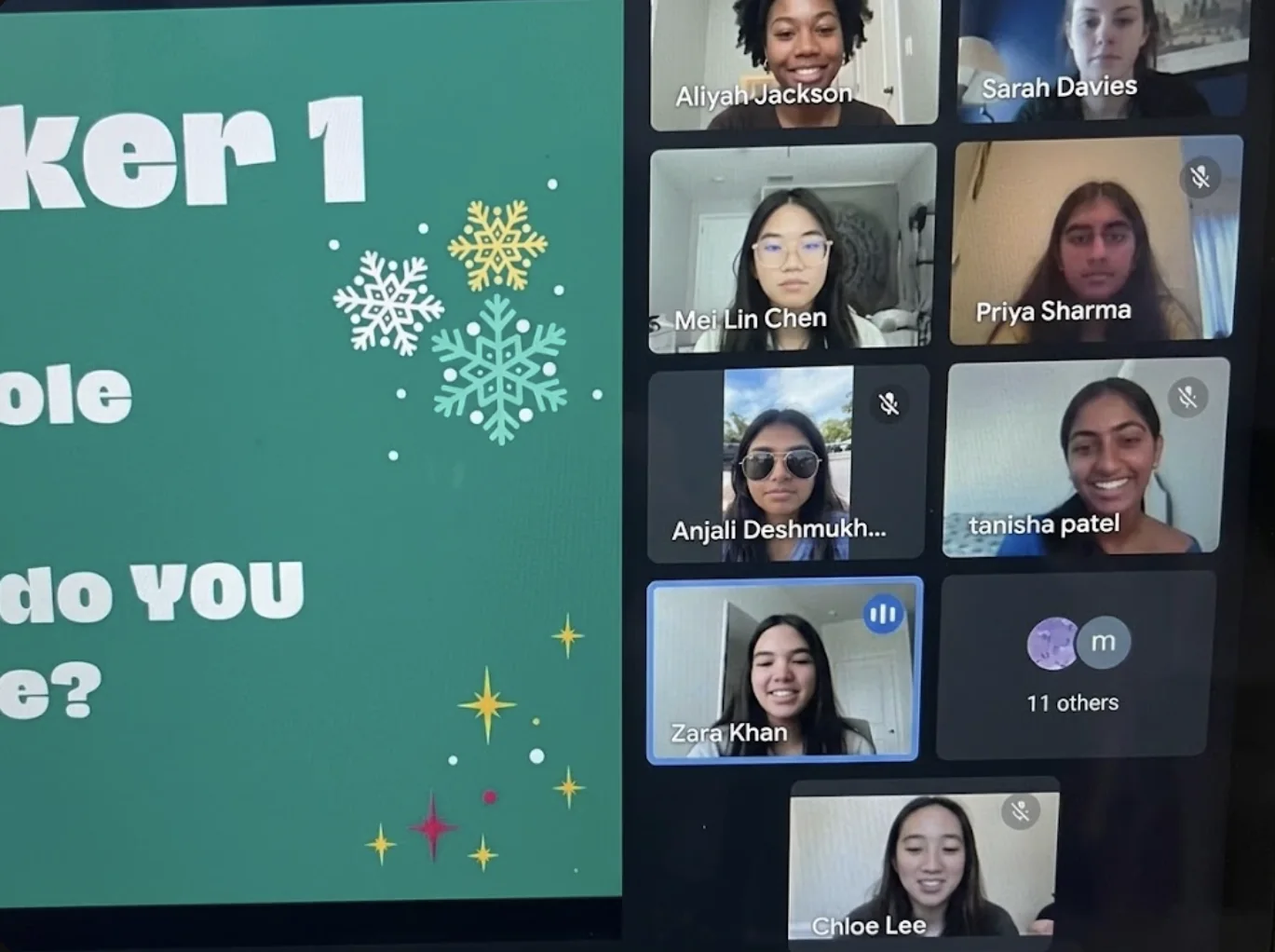
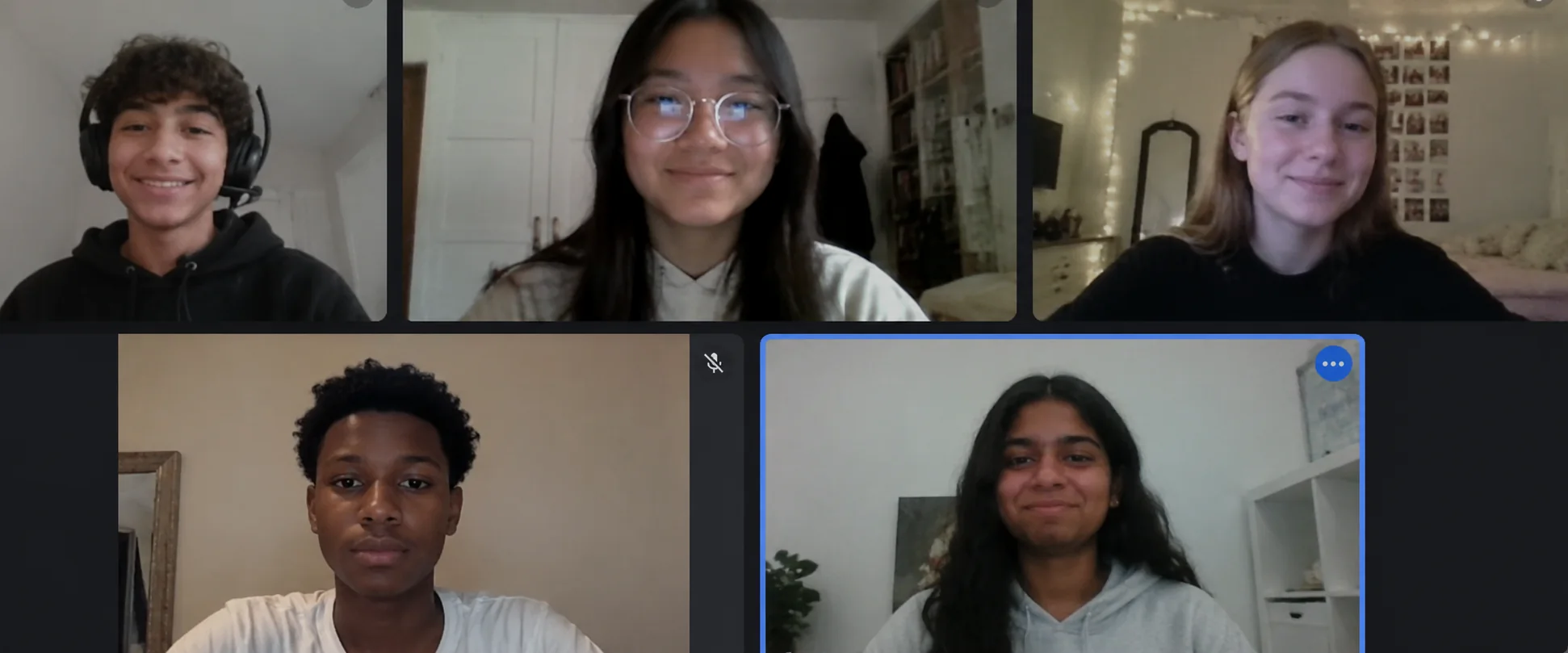
All three programs are run by student volunteers. You can start a chapter where you live, partner with us as an organization or hospital, or support the research directly. What the programs have added up to so far is set out on the impact page, and our story covers how a car wash in a driveway turned into this.