We cannot shorten that on our own. What we can do is fund the research that will, and make sure nobody spends those years alone.
Cards and funding reach patients who are already in treatment. Most people with MCAS are not in treatment. They are somewhere earlier — in the years before anyone names the condition — and they do not find us through a hospital.
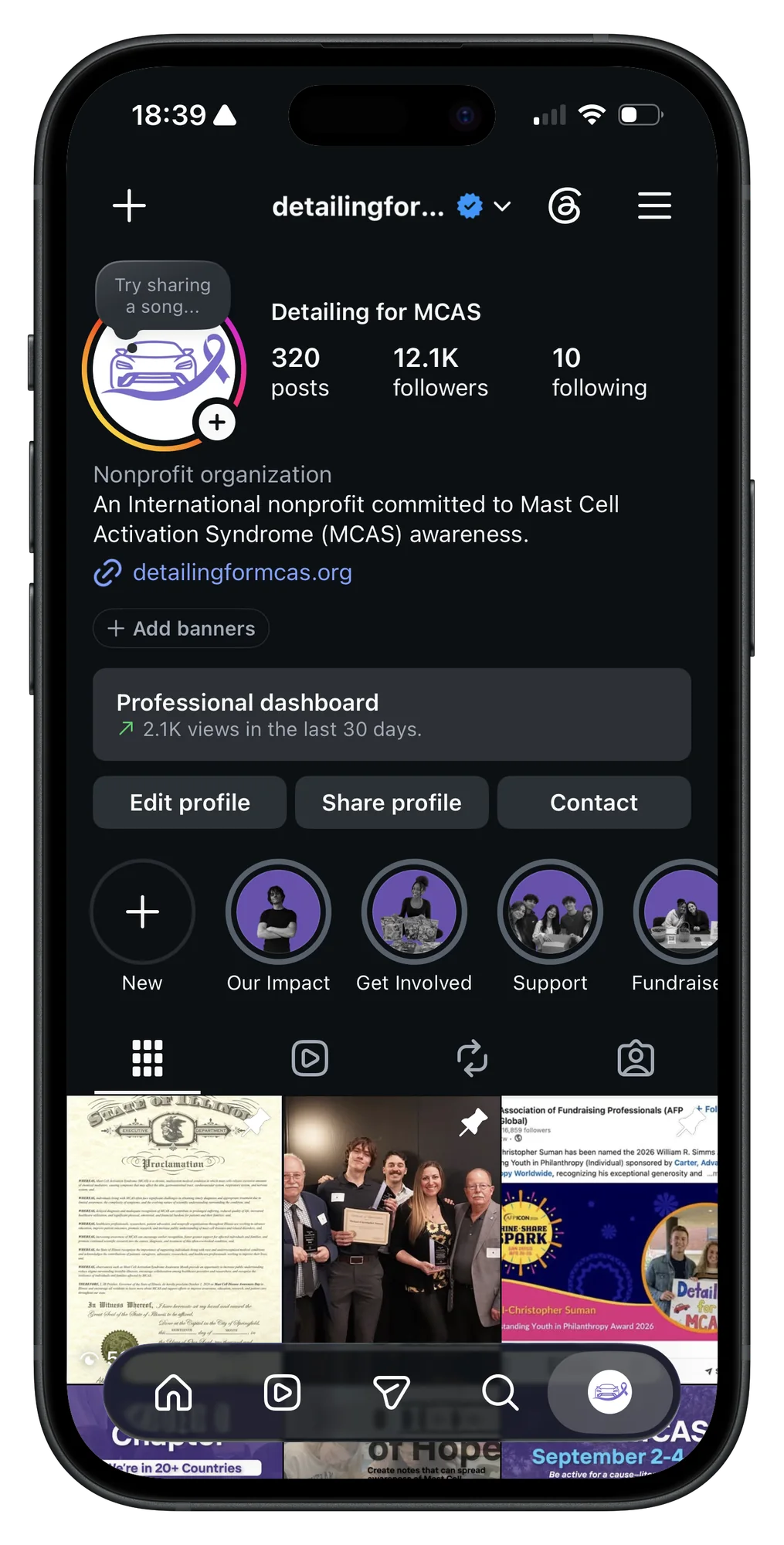
They find us on TikTok and Instagram, where we post patient stories, the assembly of a care package, and a plain explanation of what mast cell activation syndrome is. People read it, recognise themselves in it, and go back to their doctor with a word to use. That part of the work has no number attached to it.
Follow Us!Cards go to patients at 39 hospitals in nine countries across four continents, from Ascension Alexian Brothers outside Chicago to Great Ormond Street in London. Each delivery is arranged with that hospital's own staff, one at a time.
Partner With Us →Every institution below takes handwritten cards for its MCAS and rare disease patients. Hospitals and clinics not on this list can ask to be added.
Has our work reached you or someone you love? Share your story.
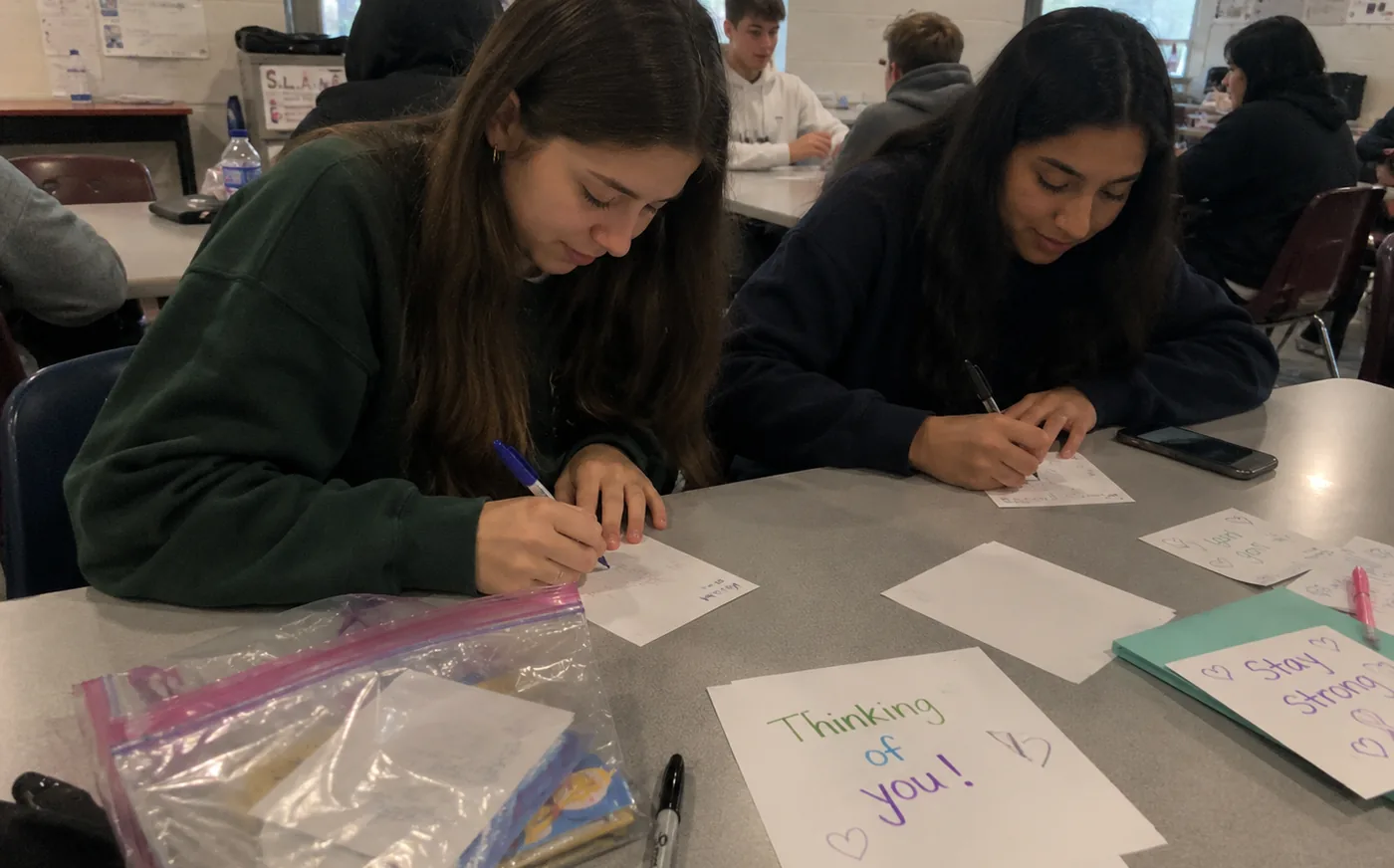
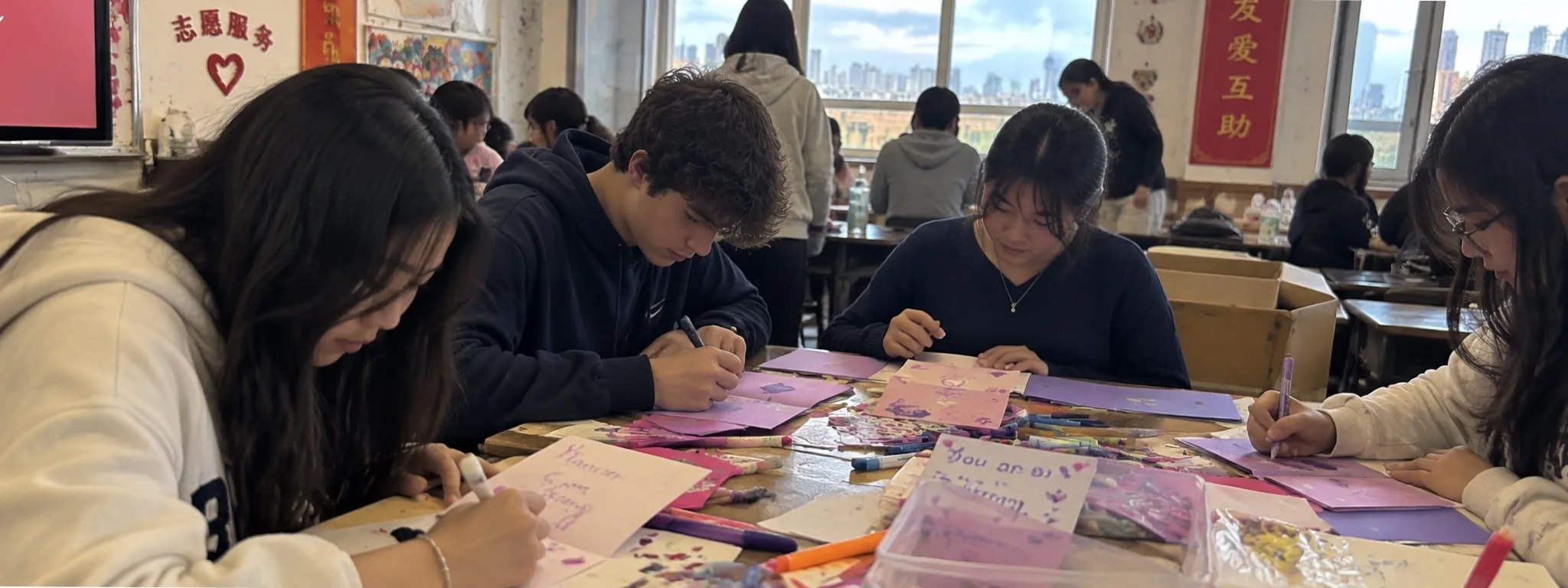
Handmade inspiration cards help MCAS patients pass long treatment days with personal connection and creativity. A card arrives in someone’s own handwriting, which is a different thing from a printed get-well message.
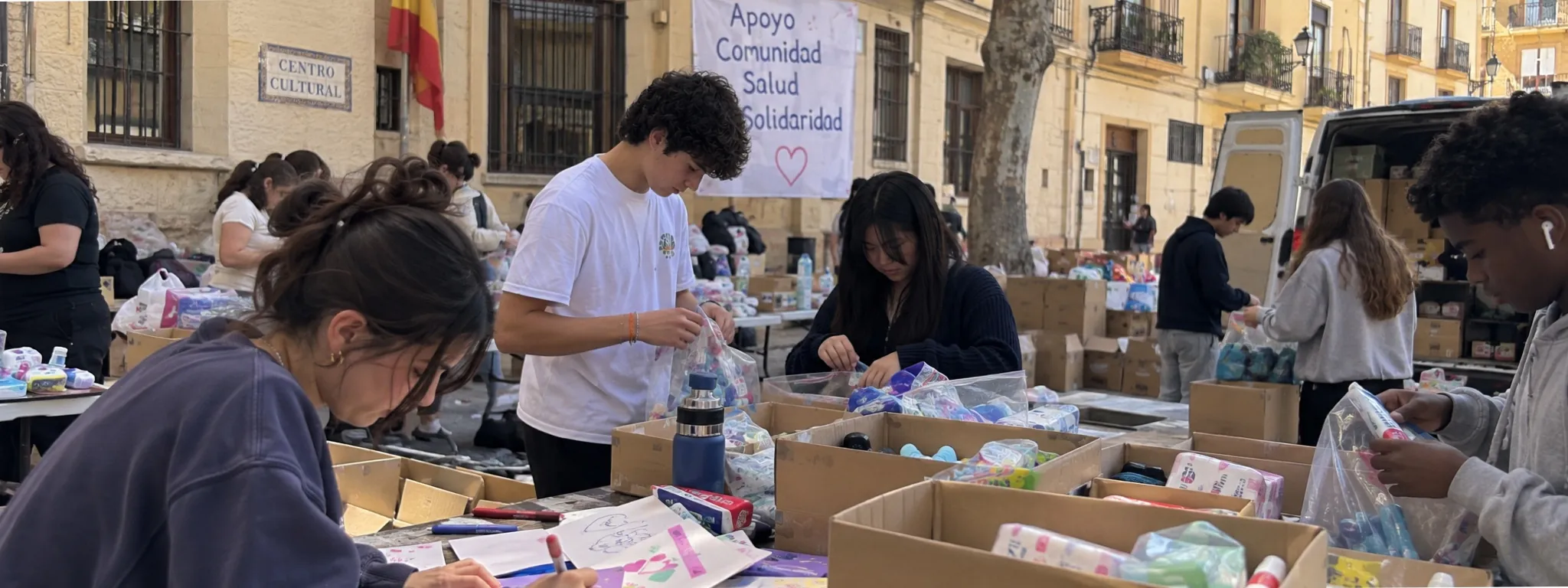
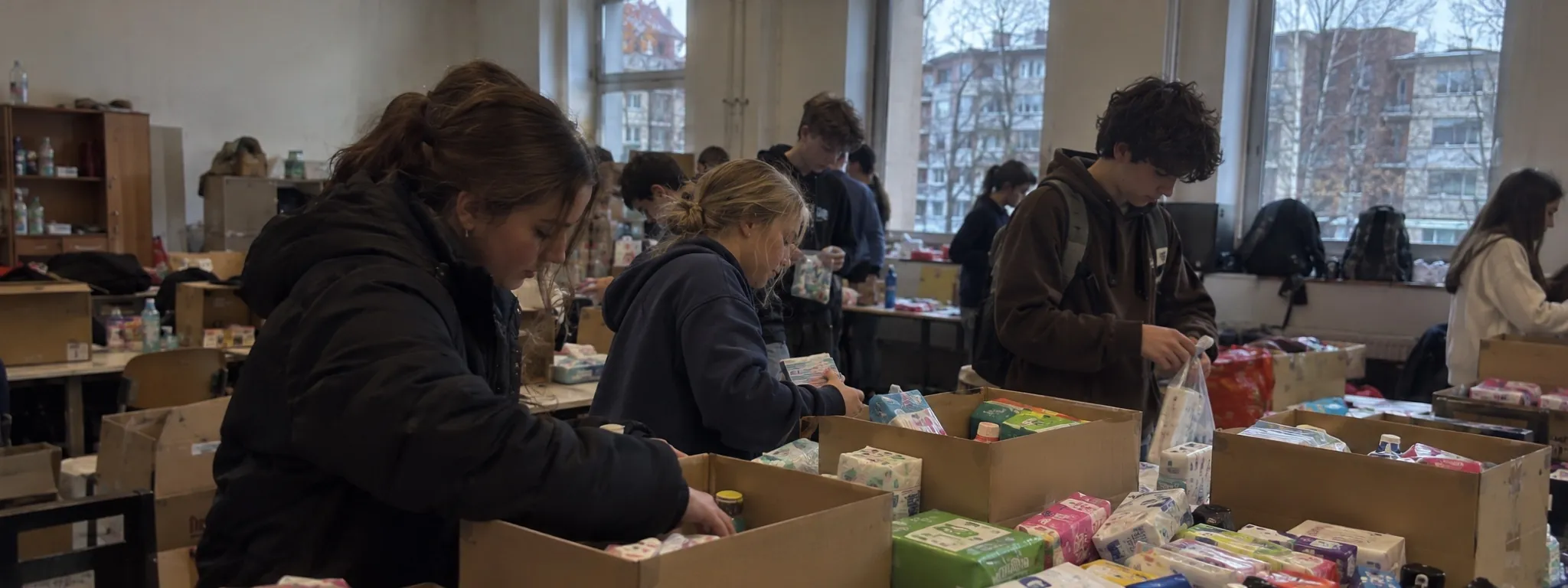
Firsthand experience in service builds empathy and teaches the value of consistent, compassionate action.
Volunteers who come to understand MCAS go on to explain it to other people — at school, at home, and in their own communities. For a condition most people have never heard named out loud, that matters more than it sounds.
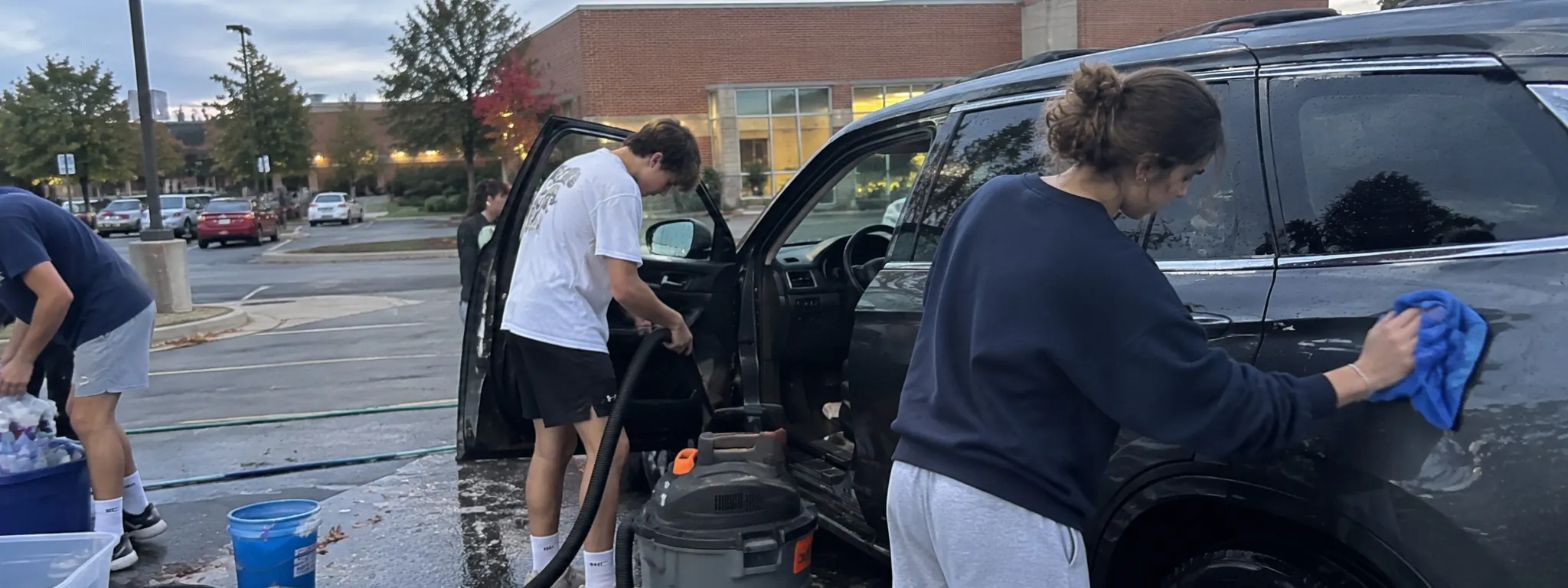
Every detailing event and fundraiser goes directly to MCAS research, patient support, and awareness work.
The aim is a shorter road than the seven to ten years patients currently wait for a correct diagnosis.
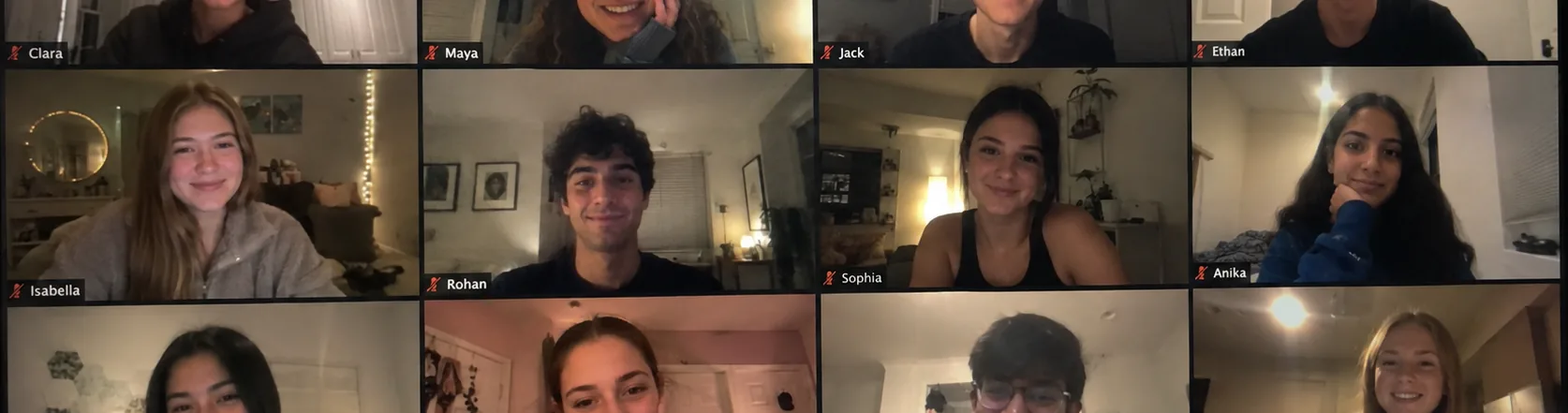
Themed activities, games and hangouts connect patients with volunteers who share their interests, bringing something into the hospital room that is not about treatment.
The sessions break the monotony of a long admission, and they tend to turn into friendships that outlast them. How they run is set out in MCAS Card Services.



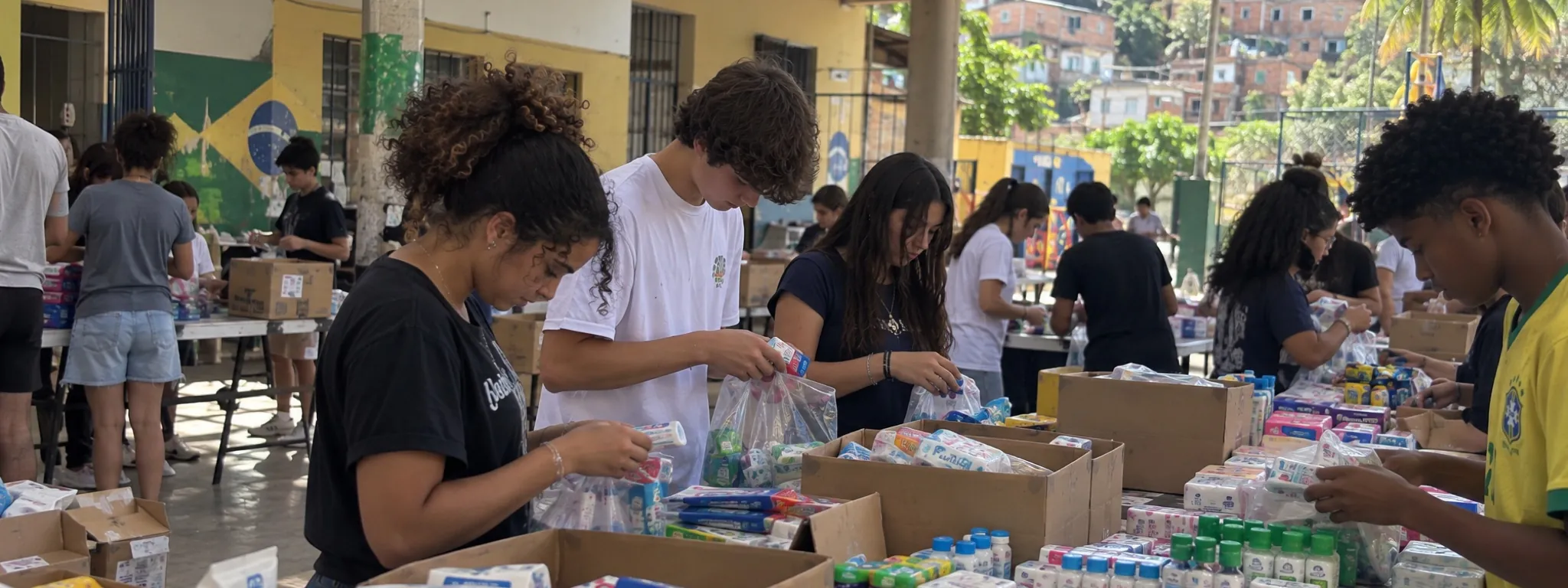
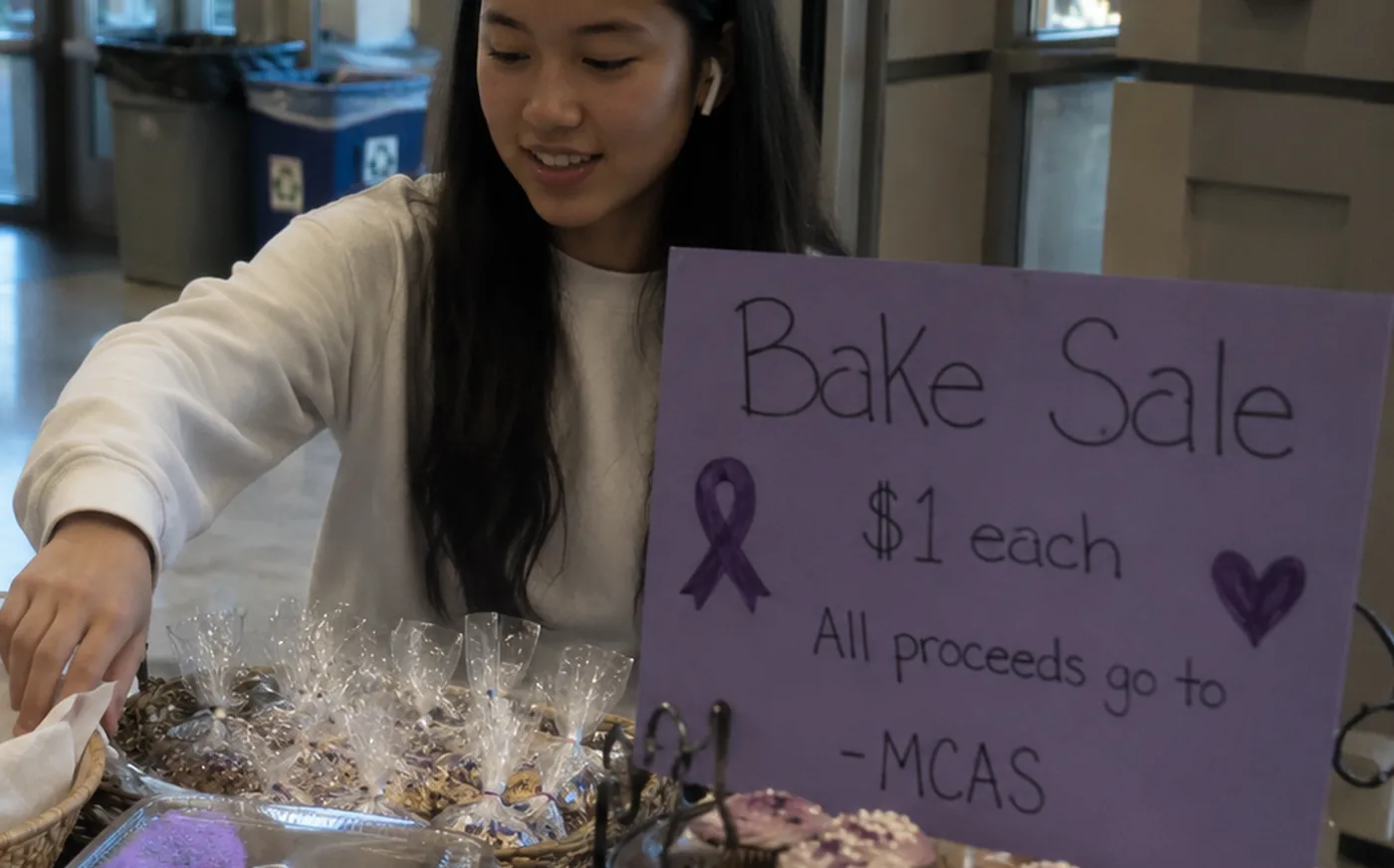
None of this happens centrally. The cards are written by students in their own schools, in more than a hundred chapters that each run themselves. The money is raised at car washes and bake sales those students organise. The deliveries are arranged hospital by hospital, with staff who agree to hand the cards out.
The figures above are the four the organisation keeps: cards delivered, money raised and passed on for mast cell activation syndrome research and patient support, hospitals that take deliveries, and volunteers who have taken part. All of them are counted from 2021, when the whole thing was one high schooler detailing cars in Illinois.
If you came here for the condition rather than the count, start with what MCAS is and why diagnosis takes seven to ten years. If you want to add to the numbers, the usual ways in are volunteering, donating, or applying to one of the programs. Patients and families can send us their story, and journalists will find previous coverage in the newsroom. The longer version of how the organisation started is in our story.